
NNW 2017: Drink lots of clean, safe water

Spring time Lunch Bowl
September 27, 2017
NNW 2017: Take care – sugary drinks can affect your health!
October 11, 2017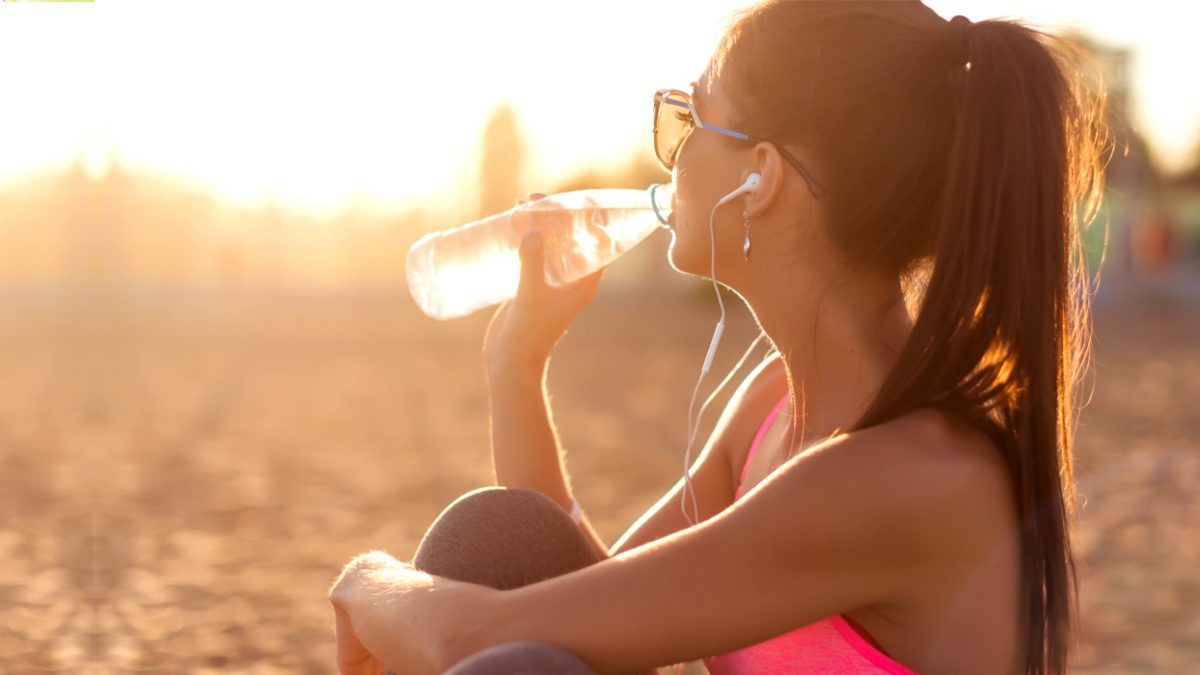
[vc_row][vc_column][vc_column_text]
Clean and clear, refreshing and invigorating, we know instinctively that water is good for us. Yet, many of us have lost touch with water. Overwhelmed with the wide choice of what to drink, most of it sweetened with sugar, we’ve somehow left the simple, but profound goodness of water behind.
National Nutrition Week 2017, running from 9 to 15 October and, with its theme “Rethink your drink – choose water”, aims to help us reset when it comes to water and get into the habit of making water our beverage choice each day. Water contains no kilojoules, hydrates, is essential for health and is the best choice to quench thirst.
Water constitutes the major portion of the human body (50 – 70 per cent or about two-thirds) and is essential for life. One of the main functions of water in the body is to regulate the body temperature. Many nutrients, including certain vitamins and minerals, are dissolved in water in the body.
We need to drink or consume water to enable the body to absorb nutrients from food and transport them around in the body. Water also removes waste products from the body through the kidneys when we urinate.
Water is lost via the kidneys, the bowels, the skin and the lungs. Most of these losses occur without our conscious knowledge. It is therefore important to drink clean, safe water to replace these losses.
If water that was lost from the body is not replaced, signs of dehydration will be evident. Fatigue, irritability, increased thirst, dry mouth, dry skin, dizziness and headaches are some of the symptoms of dehydration. When a person is dehydrated for a long time they may have pain in the joints, lower back, be constipated, have poor skin elasticity and their urine will be darker in colour.
Do not wait for your body to get thirsty – drink plenty of clean, safe water to replace these losses.
Other factors that increase the amount of water that is needed are fever due to illness, vomiting, diarrhoea, breastfeeding and physical activity.
Water is highly recommended for daily fluid intake as it provides no additional energy unlike sugary drinks.
The following tips may help to increase the intake of water:
- Make water the drink of choice. Plan to drink a glass of water rather than having a sugary drink.
- It is much cheaper to drink tap water than to buy a sugary drink; water contains no sugar and no energy compared to sugary drinks, and is the ideal drink to help meet the body’s fluid needs.
- People should always carry water with them. Having water at hand makes drinking water so much easier.
- Keep a reusable water bottle (preferably BPA-free) in a hand bag, gym bag, at work, in the car and make sure to refill it regularly. This will also help one to sip on water instead of sugary drinks and will also provide a visual reminder to drink more water.
- Develop reminders. Try setting reminders on your cell phone or computer or notes at your desk every hour, or decide on personal triggers for drinking water.
- There are no health benefits to drink more water than what is needed; when excess water is consumed it will be excreted as urine.
- Lobby for a water cooler at the office. This will make it easier to refill a glass of water than choosing another type of drink.
- Make it a habit to drink water with meals. It is a great way to increase daily water intake.
- Fresh slices of lemon, cucumber, mint leaves, lime slices or berries add a different flavour to your water. Prepare flavoured water in advance.
- Make homemade unsweetened iced tea with rooibos or other fruity herbal teas. Add ice and garnish with lemon slices, mint leaves and fresh fruit slices.
- Increase daily intake of water in hot weather and periods of physical exercise.
- Drink one to two glasses of water thirty minutes before starting to play sport and afterwards sip extra water for the next few hours.
- Before going to bed each night, put the number of water bottles you would like to drink the next day in the refrigerator.
- Drink a glass of water before brushing teeth.
- Make sure that children have access to clean, safe drinking water during the day. Give them a bottle of clean, safe water to take to school.
South African tap water is generally safe to drink and the South African national standard compares well with the World Health Organization (WHO) limits. There may be areas around the country where the water may at times not meet the required technical standard, hence the need to ensure that the water one drinks is clean and safe.
If there are concerns about the safety of local water supply, then either boil the water for three minutes or add one teaspoon of bleach to 25 litres of water and leave it to stand for two hours. Some tap and natural water may have a slight brown tinge from humic acid which is harmless and does not affect drinking water quality.
Store drinking and cooking water in separate clean containers.
Save water! Clean, safe water is a scarce resource. [/vc_column][/vc_row]


