
My Blog
June 15, 2017

Low calorie detox diets and cleanses have become very popular recently. If you do juice, do you do it for health reasons (adding nutrients to your diet) or are you trying to detox or cleanse for weight loss?
May 25, 2017

Breaking your fast with dates is a healthy and traditional way to do so. Dates are an excellent source of fiber and nutrients but not more than 3 dates should be sufficient.
May 13, 2017

During Ramadan, the holy month, healthy adult Muslims practice daily fasting from sunrise until sunset. Traditionally, the pre-dawn meal is called sehri/suhoor and the fast is broken at sunset with a meal called iftaar.
April 17, 2017

Okay, I know it’s not a fun topic! Nobody really feels comfortable to talk about bowel discomfort. Lately, I’ve seen a few clients coming in with IBS so I thought a blog post on this topic would be appreciated.
April 6, 2017

Firstly, no, it’s not the blood group diet or anything like it. Your blood group and your genetic profile are not the same thing. The DNA diet is completely evidence based, with tons of science to back it up, and is certainly no fad diet. It is a program tailored to your genes incorporating exercise, fitness and wellness, because ultimately we want to be living a healthy lifestyle.

March 20, 2017

Most South Africans are getting too much sodium from the foods they eat. If you are not already aware, the sodium found in salt (sodium chloride) plays a role in hypertension or high blood pressure. The current dietary guidelines suggest that adults and children 14 years and older need to have less than 2300 milligrams of sodium a day. Adults with hypertension need to reduce it further to 1500 milligrams a day as it may help to lower blood pressure.

March 8, 2017

It is school health week (4-8 March) so I thought some nutritional tips for mothers with school going children may be useful.
October 12, 2016
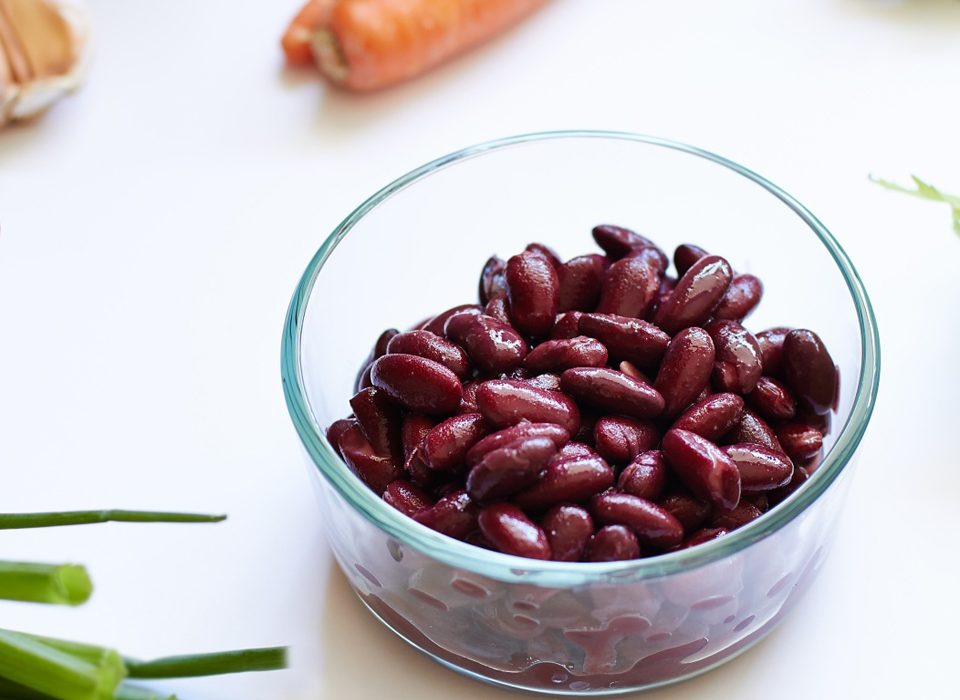
Dry beans and dry chickpeas (not canned) need to be soaked, whereas split-peas and lentils do not require soaking. It is important to sort and rinse pulses and soya beans first to remove any debris that may exist.
October 11, 2016
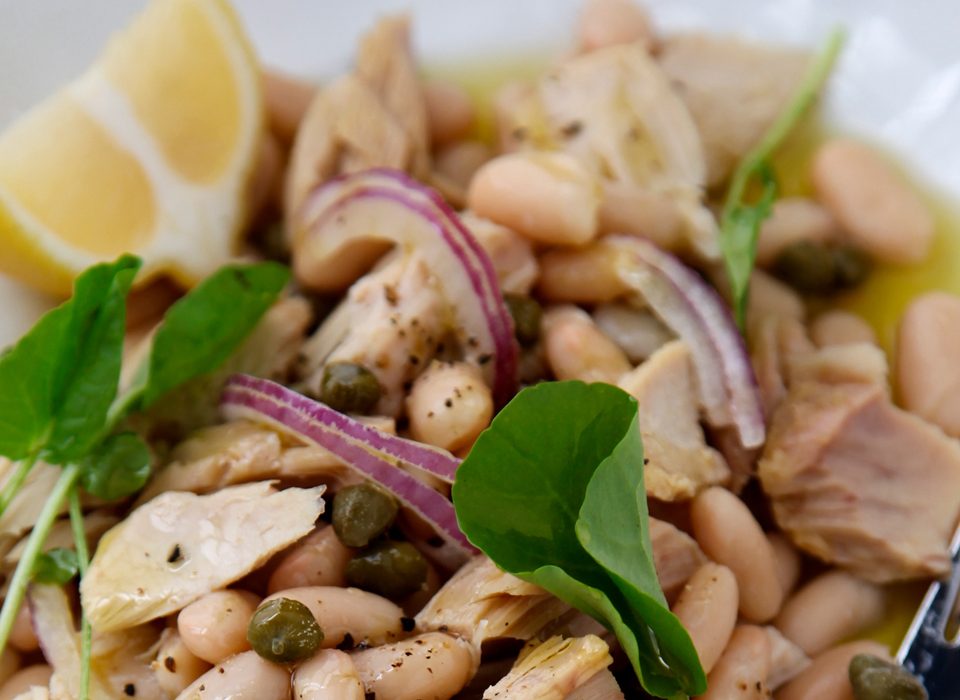
Including dry bean, peas, lentils and soya as a part of your healthy eating plan
Below are some tips on how to be creative with including dry bean, peas, lentils and soya as a part of your healthy eating plan. Remember to gradually add them in order to become more familiar with these foods and minimize gastrointestinal discomfort.
October 10, 2016
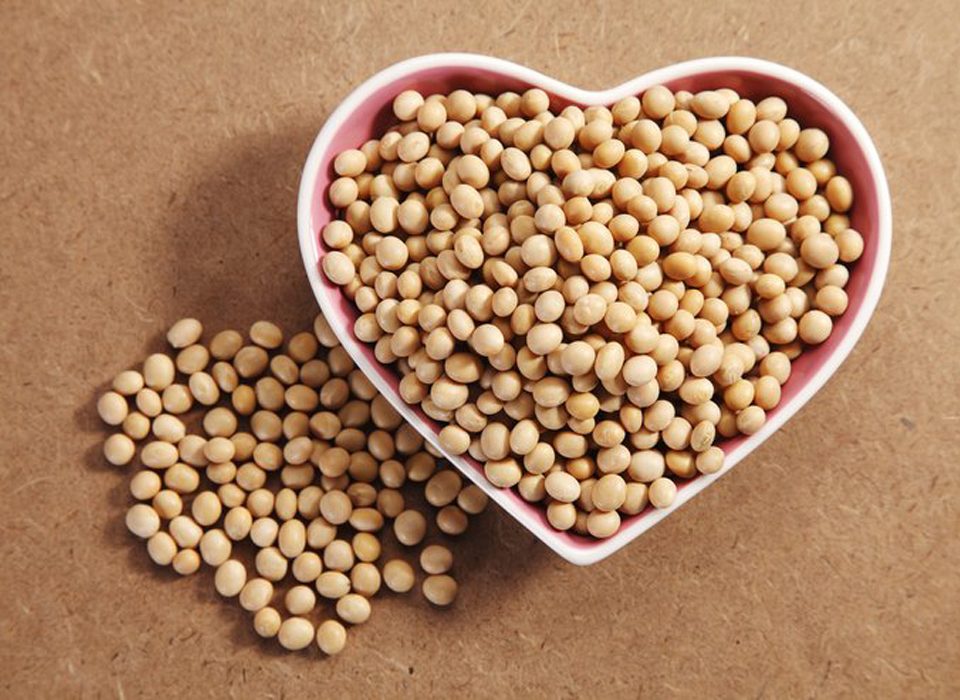
The South African Guideline for Healthy Eating on legumes is: “Eat dry beans, split-peas, lentils and soya regularly”. These should form part of a healthy eating plan with a variety of foods and should be eaten regularly, i.e. at least 4 times per week.
October 9, 2016

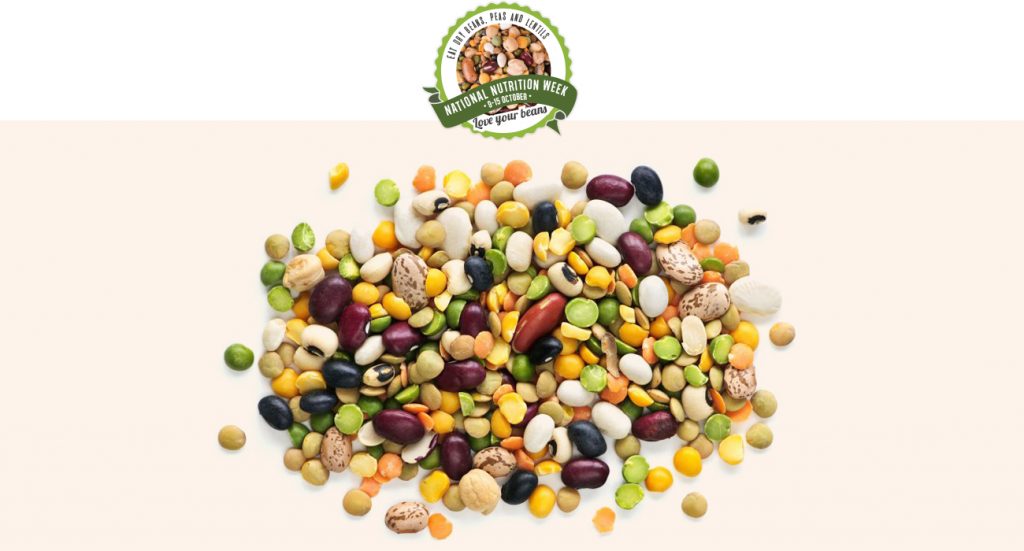
Its National Nutrition Week 2016 and the theme this year is “Love your beans – eat dry beans, peas and lentils!” The theme was chosen in line with the international theme from the Food and Agriculture Organization of the United Nations: ‘2016 International Year of Pulses: Nutritious Seeds for a Sustainable Future’.
August 9, 2016

Coconut oil seems to have grown in popularity lately. They are readily available by the bucket load in most shops and is advertised as being extremely beneficial. Where has it been hiding all this time and is it really as good as it is made out to be?
August 4, 2016
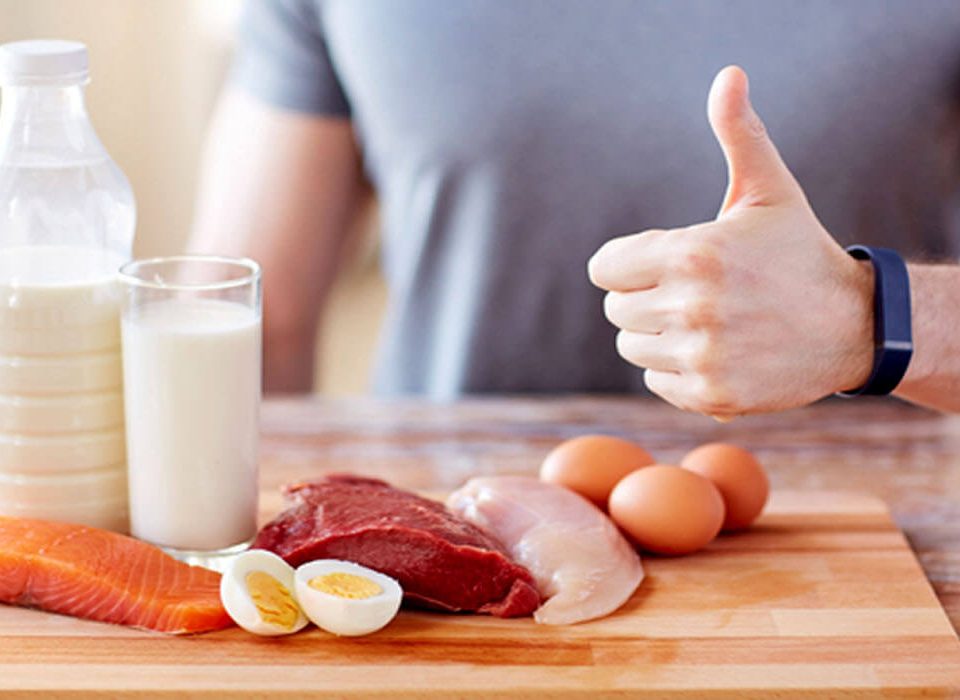


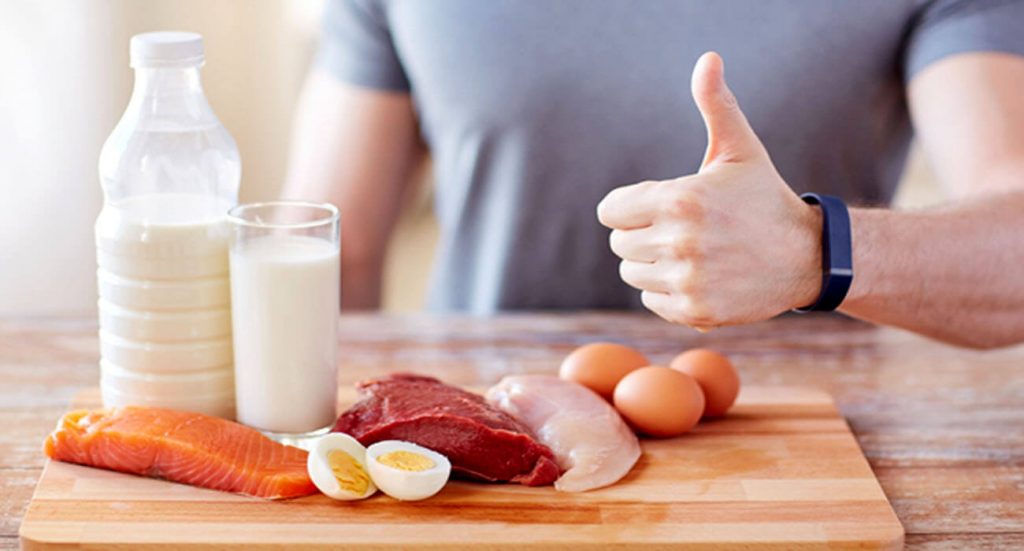
If you have been frequenting the gym, you are bound to have heard the word protein being thrown around. But will it make you lose weight or put on weight, hopefully in the form of muscle? Everyone has different goals for their health. What is protein and how will it help you achieve your goal?